How to Identify Malicious Emails and Protect Yourself Online: 9 Proven Strategies Every Business Owner Must Know


How to identify malicious emails and protect yourself online

In today’s digital-first business environment, email is both a powerful communication tool and a major security risk. Cybercriminals increasingly rely on deceptive messages to trick professionals into revealing sensitive data, transferring money, or installing malware. Understanding how to identify malicious emails and protect yourself online is no longer optional—it’s an essential business skill.


Understanding Malicious Emails

Malicious emails are designed to deceive recipients into taking harmful actions. These messages often look legitimate, using familiar logos, professional language, and trusted names.

What Makes an Email Malicious?

A malicious email typically aims to:

  • Steal login credentials
  • Trick you into transferring funds
  • Install harmful software
  • Gain unauthorized access to systems

They often exploit human psychology—fear, urgency, curiosity, or authority.

Why Business Professionals Are Targeted

Business owners manage finances, contracts, and sensitive data. Attackers know that professionals are busy and may act quickly without double-checking details, making them prime targets.


Common Types of Malicious Emails

Phishing Emails
what-is-phishing-1 How to Identify Malicious Emails and Protect Yourself Online: 9 Proven Strategies Every Business Owner Must Know

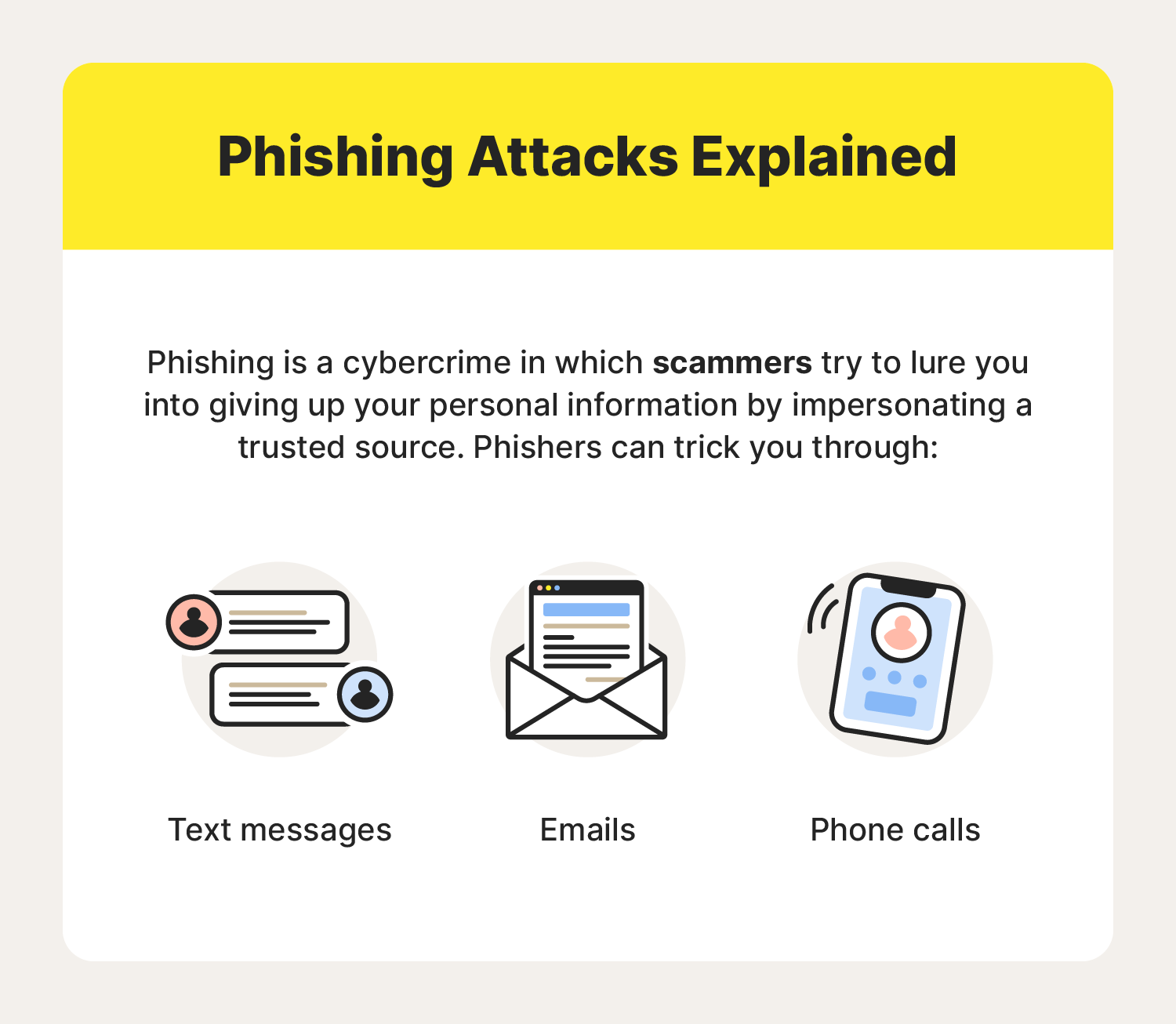
Phishing emails impersonate trusted organizations such as banks, vendors, or cloud service providers. They often ask you to “verify” or “reset” account information via a fake link.

Spear Phishing and Whaling

  • Spear phishing targets a specific individual using personalized information.
  • Whaling targets executives or business owners with high authority, often involving fake invoices or legal notices.

Malware and Attachment-Based Attacks

Attachments disguised as invoices, resumes, or reports may contain malware that installs silently once opened.


Key Warning Signs of Malicious Emails

Suspicious Sender Information

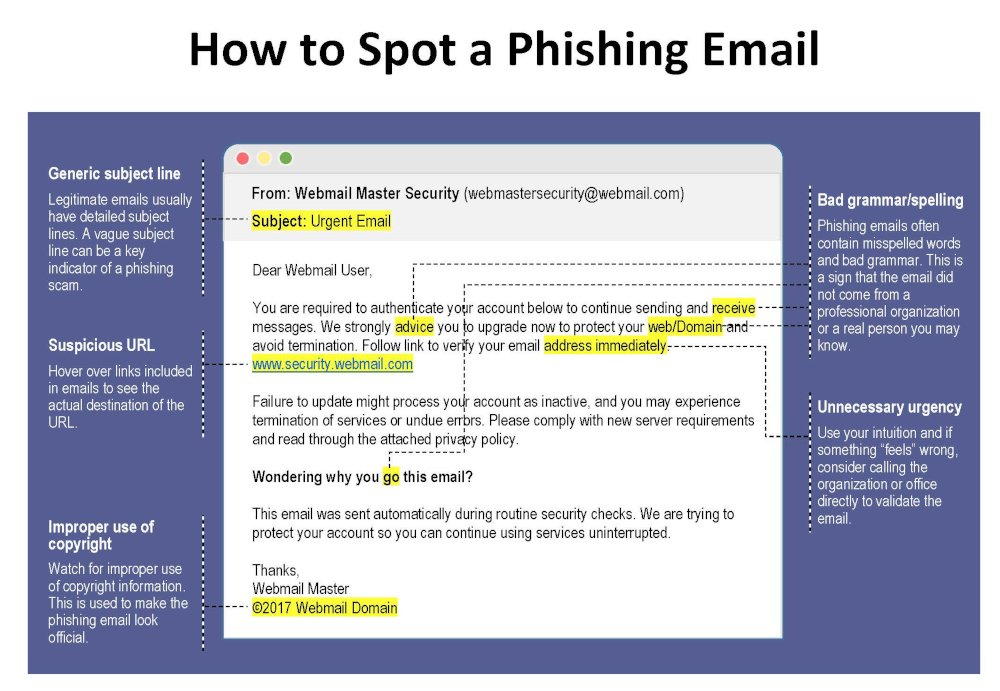
Look closely at the sender’s email address. Attackers often use domains that closely resemble legitimate ones (for example, @paypa1.com instead of @paypal.com).

Urgent or Threatening Language

Messages claiming “your account will be closed today” or “immediate action required” are classic red flags.

Unexpected Links and Attachments

If you weren’t expecting a file or link, don’t click it—especially if the email pressures you to act fast.


How to Identify Malicious Emails and Protect Yourself Online

This is the core skill every professional must master.
how-to-spot-a-phishing-email How to Identify Malicious Emails and Protect Yourself Online: 9 Proven Strategies Every Business Owner Must Know

Verifying Senders and Domains

  • Hover over the sender name to view the real address
  • Compare the domain with previous legitimate emails
  • When in doubt, contact the sender through a known channel

Safely Inspecting Links

Hover over links without clicking. If the URL looks strange, misspelled, or unrelated, it’s likely malicious.

Using Email Security Tools

Modern email platforms offer spam filters, phishing detection, and warning banners. Enable all available security features and consider advanced email security solutions for business accounts.


Best Practices for Online Protection

Strong Password Management

Use long, unique passwords for each account. A reputable password manager helps store and generate secure passwords safely.

Multi-Factor Authentication (MFA)

MFA adds an extra layer of protection by requiring a second verification step, significantly reducing the risk of account compromise.

Regular Software Updates

Outdated software often contains known vulnerabilities. Keeping systems updated closes security gaps attackers exploit.


Email Security for Business Owners

Employee Training and Awareness

Human error is one of the biggest cybersecurity risks. Regular training helps staff recognize threats and respond correctly.

Company Email Policies

Establish clear rules for handling invoices, payment requests, and sensitive data. For example, require verbal confirmation for financial transactions.


What to Do If You Receive a Malicious Email
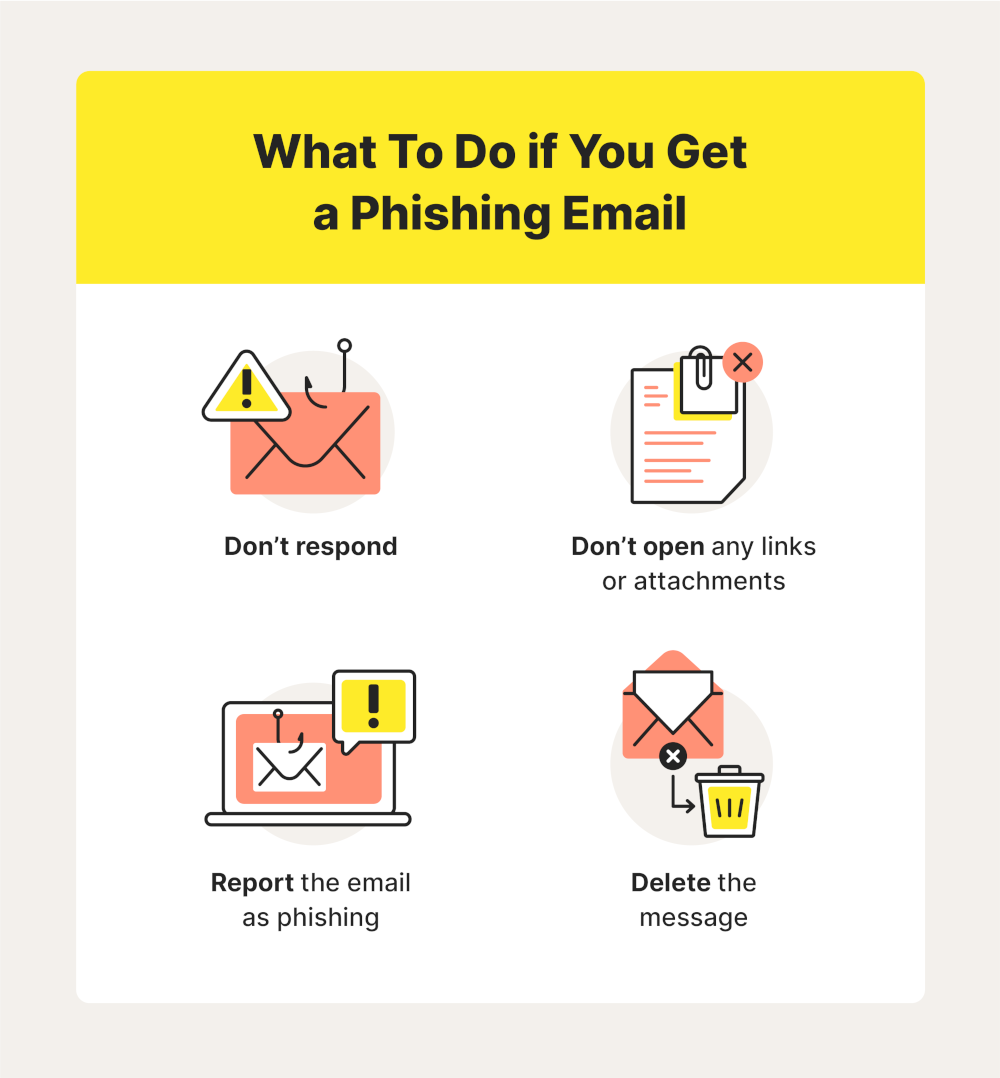
what-to-do-if-you-get-a-phishing-email How to Identify Malicious Emails and Protect Yourself Online: 9 Proven Strategies Every Business Owner Must Know

Immediate Actions

  • Do not click links or open attachments
  • Do not reply to the message
  • Mark the email as spam or phishing

Reporting and Recovery

If you accidentally interacted with a malicious email:

  • Change affected passwords immediately
  • Inform your IT team or service provider
  • Monitor accounts for unusual activity

For authoritative guidance, consult resources from organizations like the U.S. Cybersecurity and Infrastructure Security Agency (CISA) .


Frequently Asked Questions

1. How can I quickly tell if an email is malicious?

Check the sender address, look for urgent language, and avoid clicking unexpected links or attachments.

2. Are malicious emails only a problem for large companies?

No. Small and medium-sized businesses are frequent targets because they often have fewer security controls.

3. Can antivirus software stop malicious emails?

Antivirus helps, but it’s not enough on its own. Awareness and safe habits are equally important.

4. Is it safe to open email attachments from known contacts?

Not always. Known contacts can be compromised. Always verify unexpected attachments.

5. How often should employees receive security training?

At least once or twice a year, with additional updates when new threats emerge.

6. What’s the biggest mistake professionals make with email security?

Acting too quickly without verifying the request.


Conclusion

Learning how to identify malicious emails and protect yourself online is a critical responsibility for modern business owners and professionals. Cyber threats continue to evolve, but so can your defenses. By recognizing warning signs, verifying messages, and adopting strong security practices, you significantly reduce your risk of falling victim to online attacks.

Staying cautious, informed, and proactive is the best long-term strategy for protecting your business and professional reputation.


Contact DuLac Networks to learn more about how to protect your business online.
Why Your Company Needs a Business Continuity/Disaster Recovery Plan

Telehouse-blog-9.14.17-ThinkstockPhotos-493868680_0-1024x614 Why Your Company Needs a Business Continuity/Disaster Recovery Plan

Meta Description:
Discover why your company needs a business continuity/disaster recovery plan to prevent massive losses, protect your data, and ensure long-term success. Don’t wait until it’s too late.


Understanding Business Continuity and Disaster Recovery

What is Business Continuity?

Business continuity (BC) is the strategic process a company uses to ensure that it can maintain or quickly resume its essential functions during and after a major disruption. This includes natural disasters, cyberattacks, power outages, or even a sudden loss of key personnel.

At its core, business continuity planning ensures that your operations don’t grind to a halt in a crisis. It covers things like:

  • Critical business functions and workflows
  • Communication plans
  • Employee coordination
  • Customer service and support continuity

By investing in BC, companies create a proactive shield against chaos—ensuring the ability to bounce back, or better yet, keep moving.

What is Disaster Recovery?

Disaster recovery (DR) is a subset of business continuity that focuses specifically on IT systems and data. Its main goal is to restore lost data and recover disrupted technology infrastructure after a catastrophic event.

Think of it like this: business continuity keeps the business running, and disaster recovery gets your digital assets back in order.

Key DR elements include:

  • Cloud-based data backups
  • Off-site recovery centers
  • Server replication
  • Recovery protocols and playbooks

Key Differences Between BC and DR

While these two strategies work hand-in-hand, they’re not identical. Here’s a quick comparison:

AspectBusiness ContinuityDisaster Recovery
ScopeEntire organizationIT and data systems
ObjectiveMaintain operationsRecover data and systems
FocusPeople, processes, facilitiesTechnology, data, networks
TimelineImmediate response & ongoing operationsPost-event data/system restoration

Common Threats That Disrupt Business Operations

Natural Disasters and Climate Change

Earthquakes, floods, hurricanes, and wildfires don’t just damage property—they can halt production, destroy supply chains, and isolate employees. As climate change increases the frequency of these events, every company is now at risk.

Cybersecurity Threats

Ransomware attacks, data breaches, and malware are becoming more common and more devastating. Without a DR plan, a single cyberattack could lock you out of your own systems or leak sensitive customer data, leading to loss of trust and regulatory fines.

Human Error and System Failures

Even your most diligent employees can make mistakes. A simple misconfiguration or accidental data deletion can spiral into a major outage. Pair this with aging infrastructure or failed hardware, and you’ve got a recipe for disaster.

Pandemics and Global Health Crises

The COVID-19 pandemic showed us how fragile global business operations really are. Office closures, travel restrictions, and health concerns can bring even the biggest corporations to a grinding halt—unless a continuity plan is in place.


The High Cost of Unpreparedness

Financial Impact of Downtime

According to Gartner, the average cost of IT downtime is $5,600 per minute. That’s over $300,000 per hour—a price tag most companies can’t afford. From missed sales to recovery costs, the financial blow is often devastating.

Reputational Damage

Customers expect reliability. If your business can’t deliver services or safeguard data during a crisis, trust is lost. This can lead to bad reviews, media scrutiny, and a long road to recovery.

Legal and Regulatory Consequences

Failing to comply with industry standards or legal requirements—like GDPR in Europe or HIPAA in the U.S.—can result in hefty fines and lawsuits. Regulators expect companies to have continuity and disaster recovery plans in place.


Core Benefits of a Continuity/Recovery Plan

Minimizing Downtime and Data Loss

One of the most immediate advantages of having a business continuity/disaster recovery plan is the ability to drastically reduce downtime. Even a few hours of operational halt can lead to major revenue losses. With backup systems, redundant hardware, and cloud-based recovery solutions, you can restore operations within minutes or hours, rather than days or weeks.

Additionally, your data remains protected. Whether stored in secure off-site facilities or replicated in real-time to the cloud, critical business information can be recovered quickly and securely—protecting against both human error and cyberattacks.

Enhanced Customer Confidence

A well-structured BC/DR plan doesn’t just help internally; it builds external trust too. Clients and customers feel more confident doing business with companies that can guarantee service continuity—even under pressure. This can be a major competitive edge, especially in industries like finance, healthcare, and e-commerce.

You can also use SLAs (Service Level Agreements) to offer assurances to your customers, showing your commitment to reliability even during disruptions.

Operational Resilience and Agility

In a fast-changing world, businesses need to pivot quickly. Whether you’re shifting to remote work, adapting to supply chain changes, or scaling operations, a continuity plan gives your team the framework and tools to respond with agility.

This resilience leads to long-term sustainability. Rather than scrambling to recover, your business adapts, survives, and even thrives in the face of adversity.


Key Components of an Effective BC/DR Plan

Risk Assessment and Business Impact Analysis (BIA)

Start with a clear understanding of what could go wrong. Risk assessment identifies potential threats—from cyberattacks to power failures—while Business Impact Analysis measures the effect of these disruptions on your operations.

This insight allows you to prioritize which systems, departments, or processes need the most robust protections.

Recovery Time Objectives (RTO) & Recovery Point Objectives (RPO)

These two metrics are essential:

  • RTO (Recovery Time Objective): How quickly you need to recover a system after a disruption.
  • RPO (Recovery Point Objective): How much data you can afford to lose, measured in time (e.g., 15 minutes, 4 hours).

Knowing your RTO and RPO helps you decide on the appropriate backup and recovery solutions.

Backup and Redundancy Strategies

Your BC/DR plan must include detailed backup procedures:

  • On-site backups for fast local recovery
  • Cloud backups for off-site protection
  • Redundant servers to take over in case of hardware failure
  • Network redundancy to maintain connectivity

These strategies ensure no single point of failure can bring your company down.

Crisis Communication Plans

Effective communication during a crisis is essential. Your plan should define:

  • Who communicates with whom
  • How updates are delivered (email, SMS, emergency apps)
  • What messages should be sent internally vs. externally

Clarity and transparency during a crisis help maintain trust and reduce confusion.

This builds muscle memory and reveals weaknesses in the plan.

Monitoring and Regular Updates

The business world evolves fast, and your BC/DR plan must keep up. Regularly review and update the plan to reflect:

  • New threats (e.g., new ransomware tactics)
  • Operational changes (e.g., new facilities or software)
  • Lessons from real-world disruptions

Set a review schedule (e.g., quarterly or bi-annually) and assign ownership to ensure accountability.


Industry-Specific Case Studies

Lessons from Tech Companies

In 2021, a major cloud service provider suffered a multi-hour outage that took down thousands of websites. Those with strong BC/DR plans were able to fail over to other providers or activate static versions of their websites, while others lost millions in revenue.

Healthcare and Finance Sector Insights

Healthcare providers are prime ransomware targets. Those with encrypted cloud backups and clear disaster protocols were able to resume care within hours, while others experienced prolonged outages, putting lives at risk and attracting regulatory scrutiny.

Financial institutions face strict uptime expectations. A minor outage can shake investor confidence. This sector is known for rigorous BC/DR systems, often including geographically dispersed data centers and real-time failovers.


Conclusion: Your Company’s Survival Depends on Planning

Disasters don’t announce themselves. Whether it’s a cyberattack, natural calamity, or internal system failure, the impact can be devastating without preparation.

A robust business continuity and disaster recovery plan isn’t optional anymore—it’s essential. It safeguards your finances, data, reputation, and most importantly, your people.

By proactively investing in BC/DR today, you’re not just protecting your company—you’re ensuring its future resilience, trust, and growth.

Accelerate Success with Windows 11 Pro and Copilot

Windows 11

Enhancing Productivity with Copilot on Windows 11 Pro

Introduction

Windows 11 Pro, the latest operating system from Microsoft, brings a host of new features and improvements over its predecessor, Windows 10. One of the standout additions is Microsoft Copilot, an AI-powered assistant designed to enhance productivity and streamline workflows. This article explores the features of using Copilot with Windows 11 Pro, the benefits of upgrading from Windows 10, and how Copilot can significantly boost productivity.

Features of Copilot on Windows 11 Pro

  1. Integrated AI Assistance: Copilot is seamlessly integrated into Windows 11 Pro, appearing in the Taskbar and ready to assist with a wide range of tasks. It can help manage system settings, automate repetitive tasks, and provide intelligent suggestions based on user behavior[1].
  2. Natural Language Processing: With advanced natural language processing capabilities, Copilot can understand and respond to user queries in a conversational manner. This makes it easier to interact with the system and get things done quickly[1].
  3. Task Automation: Copilot can automate mundane tasks such as scheduling meetings, setting reminders, and managing emails. This automation frees up time for more critical activities, enhancing overall productivity[2].
  4. Enhanced File Management: Copilot assists in organizing and managing files more effectively. It can suggest ways to categorize and store files, making it easier to find and access important documents[2].
  5. Real-Time Translation: For users working in multilingual environments, Copilot offers real-time translation capabilities, facilitating smoother communication and collaboration[2].

Benefits of Windows 11 Pro Over Windows 10

  1. Improved User Interface: Windows 11 Pro features a redesigned user interface with a centered Start menu, new icons, and enhanced window management with Snap Layouts and Snap Groups. These changes make the OS more intuitive and visually appealing[3].
  2. Enhanced Security: Windows 11 Pro includes advanced security features such as hardware-based isolation, encryption, and malware protection. These enhancements provide a more secure environment for both personal and professional use[4].
  3. Better Performance: With optimizations for the latest hardware, Windows 11 Pro offers improved performance and efficiency. This includes faster boot times, better battery life, and enhanced support for modern CPUs[3].
  4. Productivity Tools: Windows 11 Pro introduces new productivity tools like Focus Sessions, which help users manage their time and stay on task. The integration of Microsoft Teams directly into the Taskbar also facilitates easier communication and collaboration[4].

How Copilot Increases Productivity

  1. Streamlined Workflows: By automating repetitive tasks and providing intelligent suggestions, Copilot helps streamline workflows. This allows users to focus on more important tasks, reducing the time spent on routine activities[2].
  2. Enhanced Multitasking: Copilot’s ability to manage system settings and applications with simple commands enhances multitasking capabilities. Users can quickly switch between tasks without losing focus or momentum[1].
  3. Personalized Assistance: Copilot learns from user behavior and preferences, offering personalized assistance that adapts to individual work styles. This customization ensures that the help provided is relevant and effective[1].
  4. Improved Communication: With real-time translation and integration with communication tools like Microsoft Teams, Copilot facilitates better communication and collaboration among team members, regardless of language barriers[2].

Conclusion

Windows 11 Pro, with the integration of Microsoft Copilot, offers a powerful combination of advanced features and productivity enhancements. The upgrade from Windows 10 brings significant improvements in user interface, security, and performance. Copilot’s AI-driven capabilities further enhance productivity by automating tasks, providing intelligent assistance, and improving communication. For users looking to maximize their efficiency and streamline their workflows, Windows 11 Pro with Copilot is an excellent choice.

Contact DuLac Networks now to start using Windows 11 Pro with Copilot.

    References

    [1] 12 things Microsoft Copilot can do on Windows 11 that you REALLY should …

    [2] How to Enable and Use Microsoft Copilot in Windows 11

    [3] Windows 11 vs. Windows 10: Is it finally time to update?

    [4] Compare Windows 10 Pro vs Windows 11 Pro | Microsoft

    Microsoft retiring basic authentication

    Beginning on October 1st Microsoft will begin retiring the basic authentication procedure for Exchange Online. This will include anyone using Microsoft 365 for Exchange email. The reason for the change is that Basic Authentication is quickly becoming a target for attackers, and Modern Authentication methods are more secure. Here’s an update from Microsoft regarding this.

    To answer some common questions you may have:

    • No. App passwords will no longer work.
    • No, this does not mean MFA must be configured (Although it’s 2022. If you don’t have MFA configured now….)
    • No, Basic authentication won’t be disabled for everyone in one go. It’s a phased thing that lasts October until December. By Jan 1, all tenants are disabled.
    • Yes, if Outlook is currently using Basic Authentication you have configured it yourself using registry keys.
    • Yes, SMTP Auth will also be disabled later on, but only if it’s currently not in use in the tenant. You will have the option to reenable that.

    You can read more details about it from Microsoft here.

    If you are unsure how this affects your organization then contact us for more information.

    hosted-exchange-logo1 Microsoft retiring basic authentication

    Russian hacker arrested while attempting to recruit an employee of a Nevada company.

    Following a series of events starting in mid-July, Egor Igorevich Kriuchkov, a 27-year-old Russian was arrested after traveling to the US in order to recruit and convince an employee of a Nevada company to install malware on their employer’s network in exchange for $1,000,000. The FBI filed charges on Monday against Kriuchkov who faces up to five years in prison if convicted.

    According to ZDNet the FBI had begun monitoring Kriuchkov after being notified by the employee of the target company. The employee was initially offered $500,000 in exchange for installing malware on the company’s computers. Working with the FBI the employee then negotiated with the hackers up to $1,000,000 with an up front payment of 1 bitcoin.

    Read the full article here.

    cybercrime-arrest-jail Russian hacker arrested while attempting to recruit an employee of a Nevada company.

    Why businesses are turning to managed IT services.

    More and more businesses are turning to managed IT services in response to changes in the technology industry. What are some of these changes? Notably the migration to cloud-based services and the need to outsource technical support services has caused this shift.

    Read the article below from CIO to learn more.

    https://www.cio.com/article/2930498/why-businesses-are-turning-to-managed-it-services.html

    Critical Vulnerability Found in RDP and Crypto API

    Windows 10 is vulnerable

    Microsoft released software fixes on January 14th to shore up issues with Windows Remote Desktop Gateway (RD Gateway), Windows Remote Desktop Client, and Windows CryptoAPI. These vulnerabilities affect Windows machines running 32bit or 64bit versions of Windows 7 and newer, and Windows Server 2012 and newer. Microsoft strongly encourages all users of these versions of Windows to install the latest updates available to address these vulnerabilities.

    For more information click the link below.

    https://www.us-cert.gov/ncas/alerts/aa20-014a